
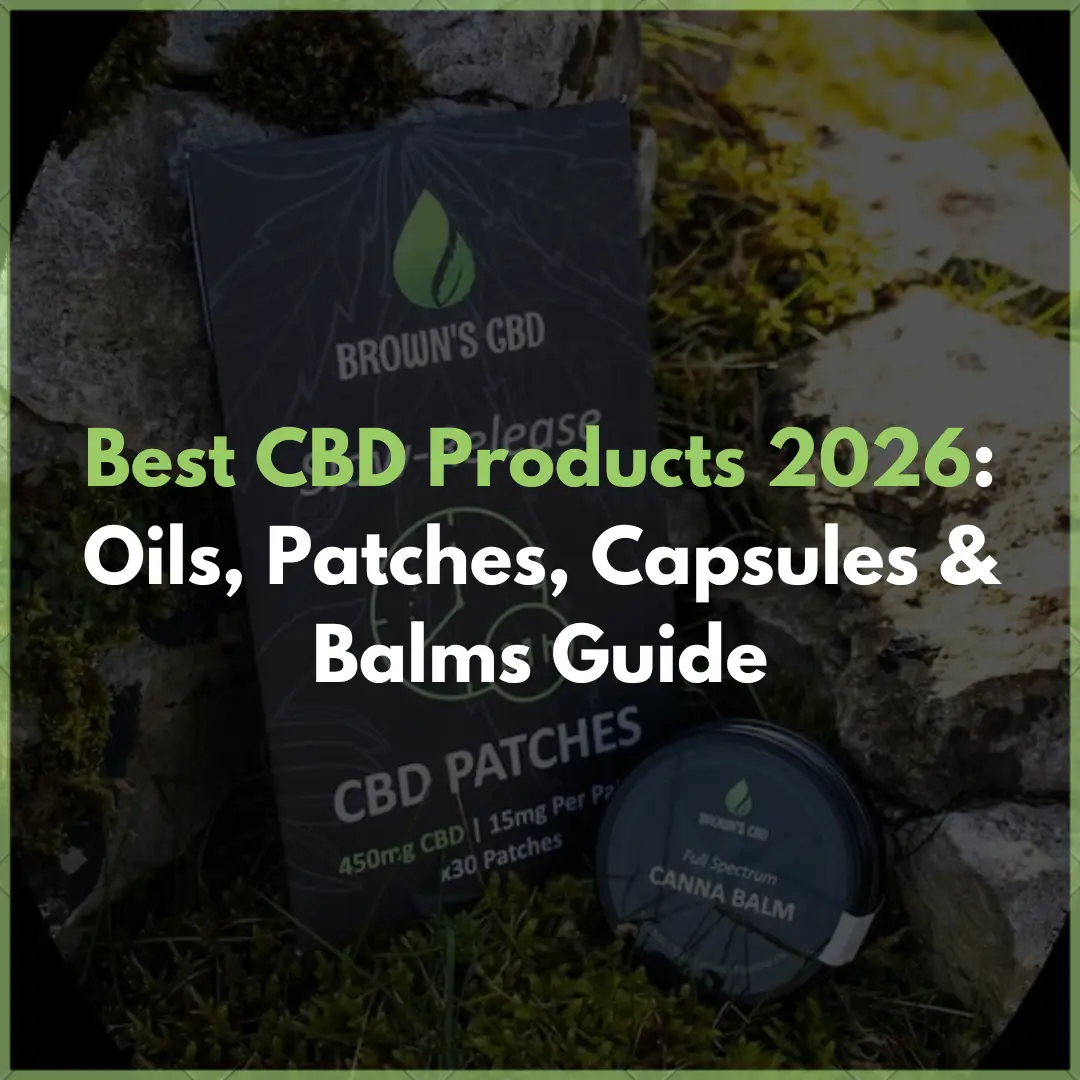
The CBD market has matured significantly, and 2026 brings cleaner formulations, smarter delivery systems, and higher expectations from consumers who know what they want.
Whether you’re exploring CBD products for the first time or looking to upgrade your routine, this guide breaks down the best CBD options available right now—from versatile CBD oils to innovative patches, capsules, and balms designed for specific wellness goals.
Quick Picks: Our Best-Selling CBD Products for 2026 So Far
Not everyone has time for a deep dive. If you want to know what’s working for people right now, here are our top-performing products based on 2026 sales and customer feedback.
| Product | Strength | Best For |
|---|---|---|
| CBD PATCHES – 30 x 30mg – 900mg CBD | 30mg per patch | All-day steady relief, 24-hour slow-release, discreet wear under clothing |
| CBD HEMP OIL – 1000mg/10% CBD – 10ml | 10% (approx. 5mg per drop) | Daily starter oil for stress, mood balance, light pain |
| HEMP CAPSULES – 60 x 10mg – 600mg CBDA/CBD | 10mg per capsule | Precise dosing, workplace-friendly, no taste |
| CBD CANNA BALM – 1000mg CBD – 50ml | 20mg per ml | Targeted muscle and joint support, post-workout, dry skin |
| CBD HEMP OIL – 2500mg/25% CBD – 10ml | 25% (approx. 12.5mg per drop) | High potency for experienced cbd users with persistent discomfort or sleep issues |
All products listed are hemp-derived CBD products, THC-compliant under UK/EU norms (below 0.05% THC), and formulated to meet 2026 quality standards. If you’re on medication or managing a health condition, consult a healthcare professional before starting any CBD routine.
Important: Our CBD products are intended solely for general wellbeing and wellness support. They are not designed to diagnose, treat, cure, or prevent any medical condition.
What Is CBD and Why It’s Big in 2026
CBD, or cannabidiol, is a non-psychoactive compound extracted from the hemp plant. Unlike THC—the compound that creates a “high”—CBD interacts with your body’s endocannabinoid system without intoxicating effects.
The endocannabinoid system (ECS) is a network of receptors (CB1 and CB2), enzymes, and natural compounds that helps regulate:
- Mood – through serotonin receptor interaction
- Pain perception – via TRPV1 and glycine receptor pathways
- Sleep cycles – by supporting GABA activity
- Inflammatory responses – through PPARγ and adenosine pathways
When you take CBD, you’re essentially supporting this balancing system.
CBD shows promise for people dealing with everyday stress, minor aches, and sleep quality challenges—though it’s not a cure-all and further research continues.
Hemp-derived CBD vs. cannabis products: The key difference is THC content. Hemp derived CBD products contain less than 0.2% THC (UK/EU) or 0.3% (US), meaning they won’t produce psychoactive effects.
Higher-THC cannabis products fall under different regulations and aren’t covered in this guide.
The 2026 context: This year has brought cleaner extraction methods (primarily CO2 supercritical extraction), stricter lab testing protocols, and growing mainstream acceptance.
Third-party testing is now standard among reputable brands, and consumers increasingly demand Certificates of Analysis before purchasing.
Important: Apart from Epidiolex (a prescription medication for rare epilepsy conditions), there are currently no approved nonprescription CBD products with medical claims. CBD products are sold as food supplement items and wellness aids—not treatments.
Why Choose CBD Products in 2026?
The 2026 CBD landscape looks different from even two years ago. Market maturity means stricter quality expectations, more specialised formats, and better education for consumers.
Key improvements in 2026:
- Cultivation standards – More brands now use organically grown hemp or pesticide-controlled farming, with some achieving usda certified organic status
- Extraction methods – CO2 supercritical extraction yields 90-95% purity, avoiding the solvent residue risks associated with older hydrocarbon methods
- Lab testing – Third-party lab testing is now routine, covering CBD potency, THC levels, heavy metals, pesticides, and microbial contaminants
- Potency accuracy – Reputable products maintain ±5-10% variance from label claims, meaning what you see is what you get
Higher-strength oils have gained ground. Products like 25% CBD (2500mg/10ml) appeal to experienced CBD users who’ve established routines and need fewer drops for the same effect. This improves convenience and reduces carrier oil intake.
Delivery innovation continues. Transdermal CBD patches now offer 24-hour release mechanisms, achieving 30-50% bioavailability compared to 6-20% for oral dosing. This appeals to people who want steady support without having to remember multiple doses.
Consumer trends: According to 2026 industry data, approximately 65% of UK/EU users cite stress relief (42%), better sleep (38%), and pain management (29%) as primary motivations.
Non-oil formats like CBD patches and CBD capsules have seen 25% sales growth, driven by hybrid work demands and the need for discreet, workplace-friendly options.
Top CBD Oils of 2026
CBD oils remain the foundational format for good reason. They offer flexible dosing, relatively fast sublingual absorption, and easy adjustment as you learn what works for your body.
When held under the tongue for 60-90 seconds, the best CBD oil products bypass initial digestion, reaching peak plasma levels in 15-45 minutes with bioavailability around 13-19%—significantly better than swallowing directly.
What makes a quality oil:
- Clear milligram labelling (total CBD and per-drop estimates)
- Quality carrier oils (organic hempseed oil, MCT from coconut oil, or other oils suited to lipophilic compounds)
- Up-to-date lab reports confirming potency and purity
- Consistent batch-to-batch results
CBD HEMP OIL – 1000mg/10% CBD – 10ml
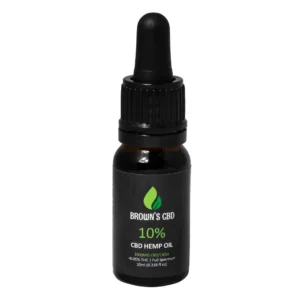
This mid-strength 10% CBD oil positions itself as the go-to daily starter for 2026. With approximately 5mg CBD per drop (based on a standard 200-drop bottle), it’s versatile enough for beginners while offering meaningful support.
Typical uses include winding down after work, supporting focus during demanding periods, and managing mild aches. The 10% concentration allows you to adjust dosing easily—starting with 1-2 drops and building as needed.
This is your “everyday” oil. It works well for people exploring cbd type products for the first time or those who want flexible, moderate support without committing to high potency formulas.
CBD HEMP OIL – 2500mg/25% CBD – 10ml
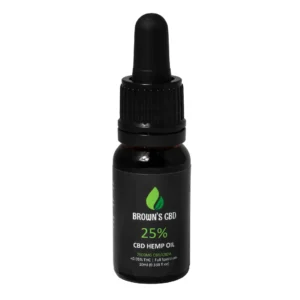
For experienced CBD users who’ve established what works, this high potency 25% CBD Oil delivers more CBD per drop—approximately 12.5mg. Fewer drops mean greater efficiency and less carrier oil consumption.
This strength suits people using CBD for persistent discomfort, stubborn sleep issues, or those who’ve found lower concentrations insufficient. At this level, 1-2 drops can deliver 12.5-25mg, making it practical for those with higher daily needs.
The difference between 10% and 25% oils isn’t just potency—it’s convenience. If you’re taking 50mg daily, that’s 10 drops of 10% oil versus 4 drops of 25%. For chronic pain management or significant sleep quality concerns, the stronger formula makes practical sense.
Basic oil routine:
- Start with 1-2 drops, 1-2 times daily
- Hold under tongue for 60-90 seconds before swallowing
- Maintain the same dose for at least a week before adjusting
- Increase gradually (25% increments work well) if needed
Oil choice ultimately depends on tolerance, body weight, and wellness goals. For complex conditions or if you’re taking medications, medical advice is essential.
How to Choose the Right CBD Oil Strength
Selecting the right strength shouldn’t be complicated. Here’s practical guidance:
| Experience Level | Recommended Strength | Typical Daily Range |
|---|---|---|
| Newcomers (<70kg) | 5-10% (500-1000mg) | 10-25mg |
| Regular users | 10-15% (1000-1500mg) | 20-50mg |
| Experienced users | 15-25% (1500-2500mg) | 40-100mg |
Total mg matters for value. A 2500mg bottle contains 2.5 times the CBD of a 1000mg bottle at the same volume. If you know you’ll use CBD consistently, higher-strength bottles offer better price per mg value—often $0.03-0.06/mg compared to $0.05-0.10/mg for lower strengths.
Start with the lowest effective strength. More research into your personal response is more valuable than jumping to maximum potency. Track your sleep, mood, and any discomfort over 1-2 weeks before adjusting. A systematic review of your own reactions beats assumptions.
Higher strength is not automatically “better.” It’s about matching the product’s composition to individual needs. Someone using CBD for occasional stress might find 10% oil helped perfectly, while someone managing chronic pain might genuinely need 25%.
CBD Patches, Capsules & Balms: Best Alternative Formats in 2026
Not everyone wants oils. Maybe you dislike the taste, need something more discreet, or want targeted relief rather than whole-body support. 2026 brings highly effective alternative formats for different lifestyles.
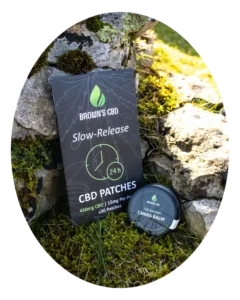
CBD PATCHES – 30 x 30mg – 900mg CBD
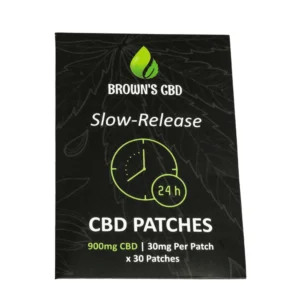
Each patch delivers 30mg CBD over an extended period—up to 24 hours of slow-release support. This makes them ideal for “set and forget” use during workdays, travel, or overnight sleep support.
Why patches work differently:
Transdermal delivery bypasses first-pass liver metabolism, achieving 30-50% bioavailability compared to 6-20% for oral products. The result is consistent absorption without the peaks and troughs of sublingual or swallowed dosing.
Apply discreetly under clothing (upper arm, shoulder blade, or lower back work well), and let the controlled-release polymer matrix do its job. CBD patches suit people who want steady support without thinking about redosing.
HEMP CAPSULES – 60 x 10mg – 600mg CBDA/CBD
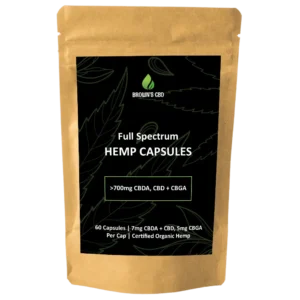
The best CBD capsules offer something oils can’t: precise, no-taste dosing that’s completely workplace-friendly. Each capsule delivers exactly 10mg, eliminating guesswork.
These capsules feature a CBDA/CBD combination. CBDA (cannabidiolic acid) is the raw, acidic precursor to CBD found naturally in the hemp plant.
Some 2026 users prefer this broader plant profile, as CBDA may offer complementary benefits—including anti-inflammatory benefits through different pathways than CBD alone. This supports the entourage effect theory that multiple beneficial compounds work better together.
Typical use: once or twice daily with food. Taking capsules with meals containing healthy fats (like avocado or olive oil) can boost absorption through lipid emulsification in the gut.
CBD CANNA BALM – 1000mg CBD – 50ml
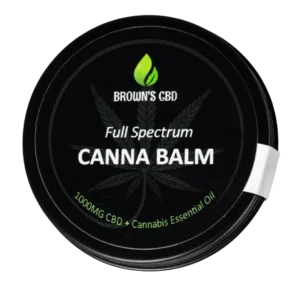
This topical CBD balm delivers 1000mg CBD in 50ml—approximately 20mg per ml—making it a high-concentration option for localised application.
Massage directly into problem spots: knees, shoulders, lower back, or any area experiencing tension or irritation. The CBD interacts with local cannabinoid receptors in the skin without significant systemic circulation, making it attractive for those wanting targeted relief without whole-body effects.
Post-workout recovery, joint comfort, and dry or irritated skin areas are primary use cases. Apply every 4-6 hours as needed, using enough to cover the area without excessive buildup.
Format comparison:
| Format | Delivery | Best For | Onset |
|---|---|---|---|
| Patches | Transdermal (systemic) | All-day steady support | 1-2 hours |
| Capsules | Oral (systemic) | Precise dosing, discretion | 30-90 minutes |
| Balm | Topical (local) | Specific muscles/joints | 15-45 minutes (local) |
Patches and capsules provide systemic, whole-body support. Balms work locally. Understanding this difference helps you choose—or combine—formats effectively.
Consistent daily use over several days matters more than occasional high doses. Give any format at least 1-2 weeks before judging effectiveness.
When to Choose Topicals vs Oral CBD
Clear decision guidance:
Choose topicals (like CBD Canna Balm) when:
- You have a specific joint or muscle issue (single knee, shoulder, lower back)
- You want localised support without systemic effects
- You’re addressing post-exercise tension or skin irritation
- You prefer not to ingest CBD products
Choose oral formats (oils, capsules, patches) when:
- You want whole-body support (mood, sleep, general balance)
- Your concerns are widespread rather than localised
- You’re managing stress or sleep quality issues
- You want consistent daily baseline support
Topicals act locally, interacting with receptors in the skin layers without entering the bloodstream in meaningful amounts. This makes them attractive for users concerned about systemic effects or those using CBD alongside other wellness routines.
Combining approaches works well. Many users take CBD oils or capsules daily for baseline support, then apply balm directly to sore areas as needed. This addresses both systemic and local needs without overcomplicating the routine.
For balms, space applications every 4-6 hours and monitor skin sensitivity. While irritation is uncommon (1-2% incidence), any persistent redness or discomfort warrants stopping use on that area.
How to Use CBD Safely and Effectively in 2026
Although CBD is widely used and generally well-tolerated, responsible dosing and medical guidance remain important—especially as product potency increases.
Dosing Principles
Start low, go slow. A common starting point is 5-10mg daily (approximately 0.14mg per kg for a 70kg person). Maintain this dose consistently—same time each day—for at least a week before making significant changes.
Factors affecting your best dosage:
- Body weight (100kg may need double a 50kg person’s dose)
- Metabolism (CYP450 enzyme variations mean some people process CBD faster)
- Symptom severity (mild stress vs. chronic pain require different approaches)
- Prior CBD experience (tolerance develops over time)
Escalate gradually. Increase by 25-50% weekly until you find your effective dose. CBD has a relatively long half-life (18-32 hours), meaning steady-state levels take 3-5 days to establish. Patience matters.
Absorption Tips
Taking oral CBD with or after a meal containing healthy fats can significantly improve absorption—some studies show up to 4x improvement in area-under-curve measurements. A meal with avocado, nuts, or olive oil before your CBD dose makes biological sense.
For sublingual oils, hold under the tongue for 60-90 seconds minimum. This allows mucosal absorption directly into the bloodstream, improving onset time and bioavailability compared to swallowing immediately.
Potential Side Effects
Most users tolerate CBD well, but 5-10% may experience:
- Drowsiness or tiredness (reduce dose by 50% if problematic)
- Digestive upset (take with food, consider fiber intake)
- Dry mouth (increase hydration)
These effects are typically mild and dose-dependent. If they persist, reduce your dose or discontinue use.
Important Precautions
Consult your GP or healthcare professional before starting CBD if you:
- Are pregnant or breastfeeding (placental transfer risks exist)
- Take prescription medications—especially those with “grapefruit warnings” (CBD affects CYP450 enzymes that metabolise many drugs)
- Take blood thinners like warfarin (CBD may affect INR levels)
- Manage chronic conditions requiring ongoing medication
Storage matters. Keep products in a cool, dark place (under 25°C) away from direct light. Cannabinoid oxidation can halve potency within 6 months of light exposure. Keep all CBD products out of reach of children and pets, and check best-before dates before use.
How to Check Quality: Lab Reports, Legality & Transparency
Not all CBD is created equal. The 2026 market includes excellent products alongside questionable ones. Knowing what to look for protects your investment and your health.
Lab Reports (Certificates of Analysis)
Demand up-to-date, third-party Certificates of Analysis (COAs) from ISO-accredited laboratories. Quality contaminant testing results should confirm:
| Test | What to Look For |
|---|---|
| CBD potency | Within ±10% of label claim |
| THC content | <0.2% (UK/EU) or <0.3% (US) |
| Heavy metals | Lead <10ppm, ideally <5ppm |
| Pesticides | <0.01ppm or non-detect |
| Residual solvents | <1ppm or non-detect |
| Microbial | No pathogenic contamination |
| If a brand can’t provide current COAs, that’s a significant red flag. |
Legal Basics
Hemp-derived CBD is legal in the UK and EU when it meets THC limits and Novel Food regulations.
The Controlled Substances Act classifications in various jurisdictions can differ, so check local laws if travelling—particularly between the UK, Northern Ireland, and other regions with varying enforcement.
Nonprescription cbd products cannot make medical claims. They’re wellness aids, not treatments, regardless of marketing language.
Transparency Indicators
Choose brands that openly share:
- Hemp origin (EU-regulated farms, country of cultivation)
- Extraction methods (CO2 supercritical is current best practice)
- Manufacturing standards (GMP certification, ISO22000)
- Full spectrum, broad spectrum, or cbd isolate designation
- Batch numbers on packaging that match COAs
The difference between full spectrum cbd (contains minor cannabinoids and trace THC), broad spectrum cbd (minor cannabinoids, thc free), and cbd isolate (pure CBD only) matters for product’s composition and potential entourage effect benefits.
Full spectrum products may offer enhanced effects through synergistic compounds, while broad spectrum oil and isolates suit those avoiding any THC.
Choosing the Best CBD Product for Your 2026 Wellness Goals
“Best” depends entirely on what you’re trying to achieve. Here’s quick guidance based on common goals:
| Goal | Recommended Product | Why |
|---|---|---|
| Daily relief | CBD Hemp Oil 1000mg | Flexible dosing, fast onset, easy adjustment |
| Persistent discomfort | CBD Hemp Oil 2500mg | High potency, fewer drops, efficient for higher needs |
| All-day steady support | CBD Patches 900mg | 24-hour release, no redosing, discreet |
| Precise, discreet dosing | Hemp Capsules 600mg | Exact 10mg doses, workplace-friendly, no taste |
| Targeted muscle/joint relief | CBD Canna Balm 1000mg | Local application, high concentration, direct to problem areas |
Finding What Works
Keep a simple CBD journal. Track:
- Date and time of dose
- Product and amount used
- How you felt before and after (simple 1-10 scale works)
- Sleep quality (if relevant)
- Any side effects
Two weeks of consistent data tells you more than assumptions ever will. This approach transforms guesswork into informed decision-making.
Building Your Routine
CBD rewards consistency over intensity. Rather than expecting instant results from a single dose, build a 2-4 week routine:
- Choose one product format based on your primary goal
- Start with a low dose and maintain it daily
- Track responses in your journal
- Adjust after 1-2 weeks based on actual data
- Consider combining formats (e.g., daily oil plus balm for specific areas) once you understand your baseline response
Some users find thatCBD gummies, cbd vape products, or other formats suit their preferences—though our 2026 best-sellers focus on oils, patches, capsules, and balms as the most versatile and effective options.
Your next step: Choose one product based on your primary 2026 wellness goal—whether that’s stress relief, better sleep, pain relief, or exercise recovery. Start with the lowest recommended dose, maintain consistency for two weeks, and let your own data guide adjustments.
The best cbd products 2026 aren’t about chasing the highest potency or newest format. They’re about finding what works for your body, your lifestyle, and your specific needs. Build the routine, track the results, and adjust with intention.
If you’re uncertain where to start or have existing health conditions, speak with a healthcare professional who understands your full medical picture. CBD works best as part of a thoughtful approach to wellness—not as a replacement for professional guidance.